A Simple Way to Locate Astra 28.2E in 2026
Estimated reading time: 14 minutes.
In 2026, locating Astra 28.2E does not need to feel technical or stressful. Most alignment issues come from trying to do too much at once. A simpler approach focuses on preparation, slow movements, and clear confirmation. When the process is simplified, results usually arrive faster.
Quick Context
This article explains a simplified method to locate Astra 28.2E in 2026 using everyday tools and steady steps. It avoids advanced equipment and focuses on reliability rather than speed.
Starting with the right mindset
A simple method starts with attitude. Most people fail because they expect instant feedback. Satellite receivers need time to react. Signals need time to stabilize.
In 2026, the most effective approach is to slow down deliberately. Instead of chasing the signal meter, you wait for it. This reduces mistakes and prevents skipping the correct position.
Think of alignment as listening rather than forcing. You move, then wait. You observe, then decide. This mindset removes pressure and saves time overall.
Simplicity begins with patience, not equipment.
Getting the basics ready first
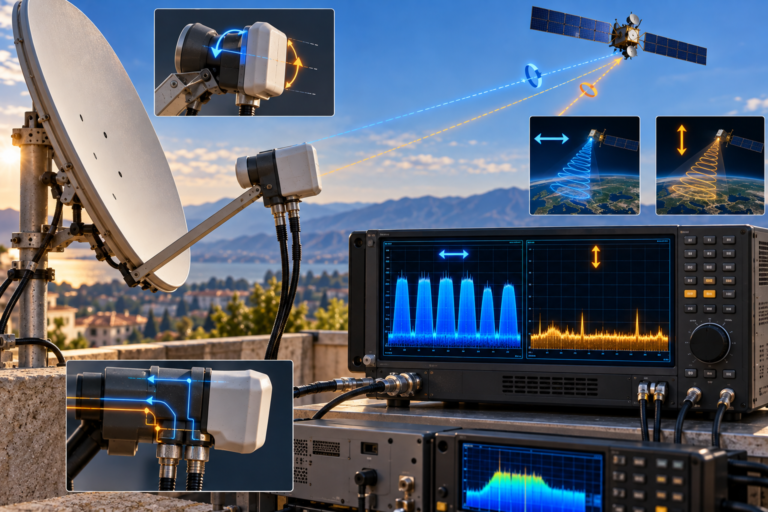
Before moving the dish, make sure the basic conditions are correct. This includes the mounting position, cabling, and receiver configuration.
Check that the dish mount is stable and as level as possible. A leaning mount makes elevation markings unreliable. Correcting this early simplifies everything that follows.
Inspect the cable connections. Loose or oxidized connectors often imitate alignment problems. In many cases, fixing a connector solves the issue without touching the dish.
Finally, verify that the receiver is set to scan Astra 28.2E specifically. Old satellite profiles can confuse the process. Starting clean removes unnecessary variables.
Finding the general direction
You do not need perfect numbers to begin. You only need a reasonable direction.
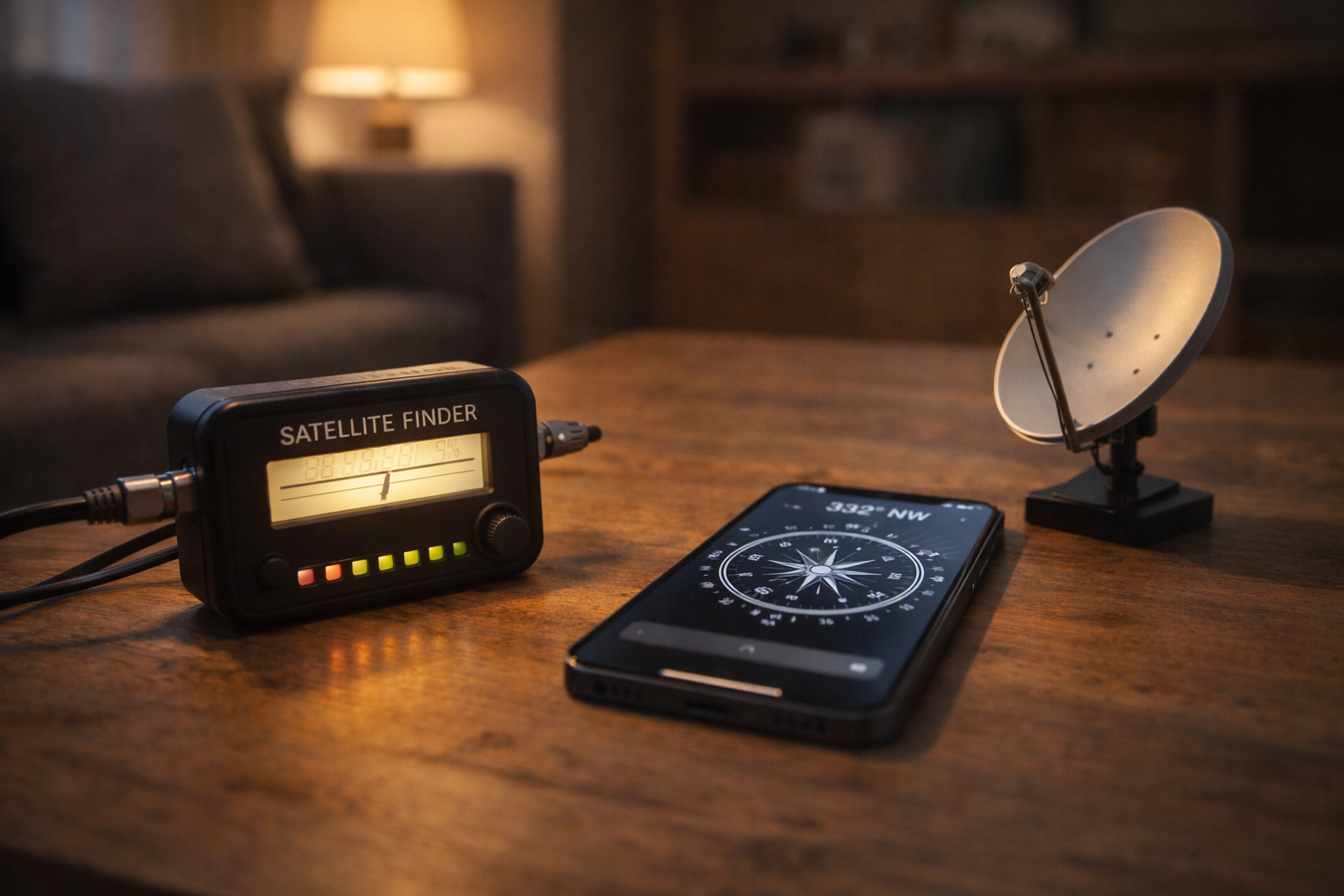
Use a compass or a phone app to point the dish roughly toward Astra 28.2E. Step away from metal surfaces when using a phone compass. Treat the reading as guidance, not precision.
Set the elevation to a middle value recommended for your region. This creates a vertical window where the signal can be found. You will refine this later.
At this stage, tighten bolts lightly. The dish should hold position but still allow gentle movement.
Moving the dish slowly on purpose
This is where simplicity pays off. Move the dish in very small horizontal steps. After each movement, stop completely.
Wait for the receiver to respond. Some receivers update instantly. Others take several seconds. If you move again too soon, you miss the response.
When the signal appears, keep moving in the same direction until it peaks. If it drops, return to the last strong point. This method creates a clear peak rather than random spikes.
Only after finding the best horizontal position should you adjust elevation slightly. Again, move slowly and pause after each change.
Confirming you found the correct satellite
A strong signal alone is not enough. Several satellites can appear strong depending on location.
Confirm Astra 28.2E by scanning channels and checking known reference results. If the channel list does not match expectations, you may be on a nearby satellite.
Do not rush this step. Locking the wrong satellite wastes time later. Verification now saves rework.
Locking the position without losing signal
Once confirmed, tighten the mount carefully. Tightening can shift the dish slightly.
Tighten in small stages. After each step, check the signal. If it drops, make a tiny correction before continuing.
This slow tightening method prevents losing the alignment you just found. When finished, recheck both strength and quality to confirm stability.
Reality Check
The simplest way to locate Astra 28.2E in 2026 is not about special tools. It is about reducing variables, moving slowly, and confirming each step before continuing.
Final Verdict
Final Verdict
A simple approach to locating Astra 28.2E in 2026 works because it removes pressure. Prepare the basics, move the dish slowly, confirm the satellite, and lock the position carefully. Simplicity turns alignment into a predictable routine rather than a guessing game.
Frequently Asked Questions
| Question | Answer |
|---|---|
| Can I locate Astra 28.2E without a signal meter | Yes. Many people succeed using only the receiver signal display if movements are slow and deliberate. |
| Why should I wait after each movement | Receivers often need time to update signal readings. Waiting prevents skipping the correct position. |
| What if I find a strong signal but wrong channels | This usually means you are on a neighboring satellite. Adjust slightly and verify again. |
| Is elevation or direction more important first | Direction first, then elevation. This creates a clearer and more predictable peak. |
| How do I know when alignment is finished | When tightening no longer changes signal quality and channels scan correctly, alignment is complete. |