Sky Go Streaming vs Satellite TV Signal Differences
Estimated reading time: 21 minutes.
At first glance, watching TV through Sky Go on Windows 11 and watching satellite television may seem like the same experience. You press play, and a channel appears. But behind the scenes, these two systems are completely different in how they deliver content, how they behave under pressure, and how they respond to real world conditions.
Understanding the difference between streaming and satellite signals is not just technical knowledge. It explains why one system buffers while the other does not, why delays happen, and why performance can vary even when both systems appear to work perfectly.
Quick Context
This guide explains the technical differences between Sky Go streaming and satellite TV signals including delivery methods latency reliability environmental impact and system behavior.
- Core difference between streaming and satellite
- How content is delivered in each system
- Latency and real time delay comparison
- Signal stability and interruption behavior
- Environmental impact on both systems
- Quality consistency and adaptation
- User control and playback flexibility
- Role of Windows 11 in streaming
- Network dependency vs direct broadcast
- Long term evolution of both technologies
- How to choose based on real conditions
- Streaming vs satellite comparison table
- Reality Check
- Final Verdict
- Frequently Asked Questions
Core difference between streaming and satellite
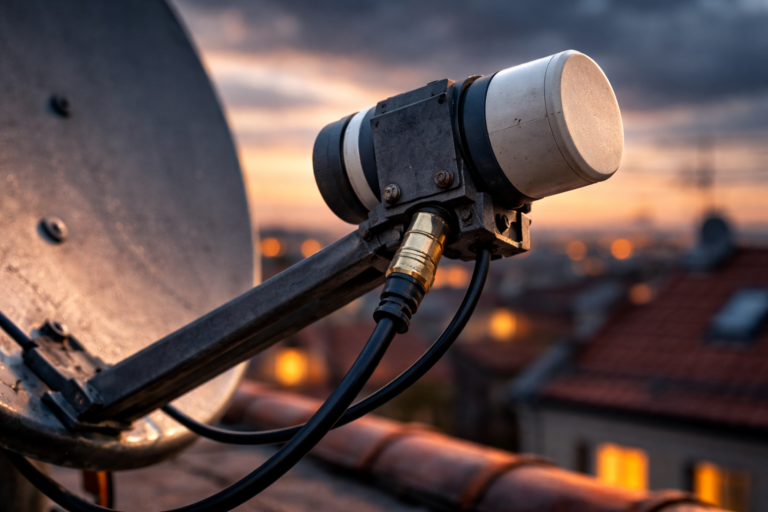
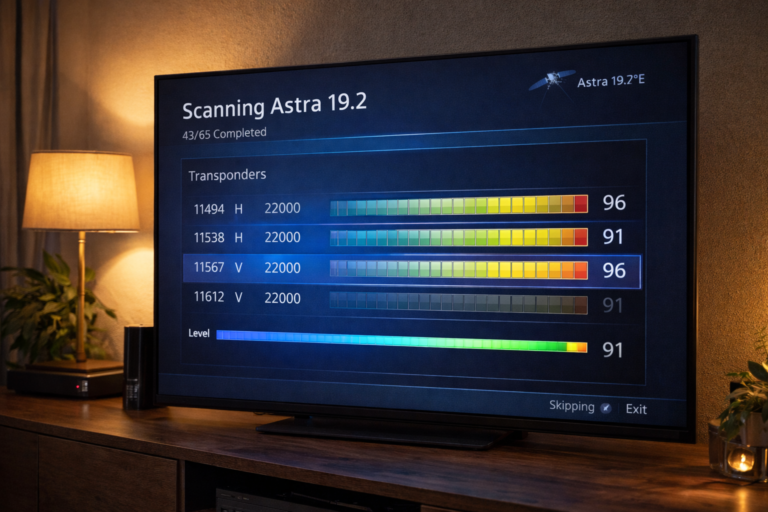
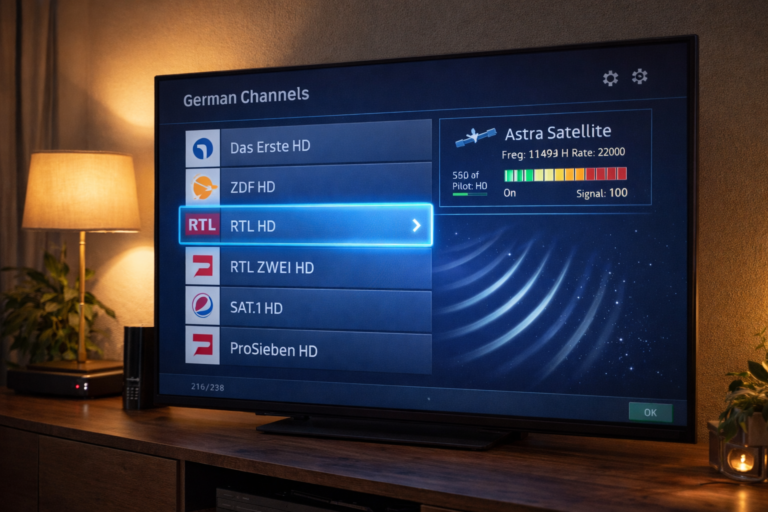
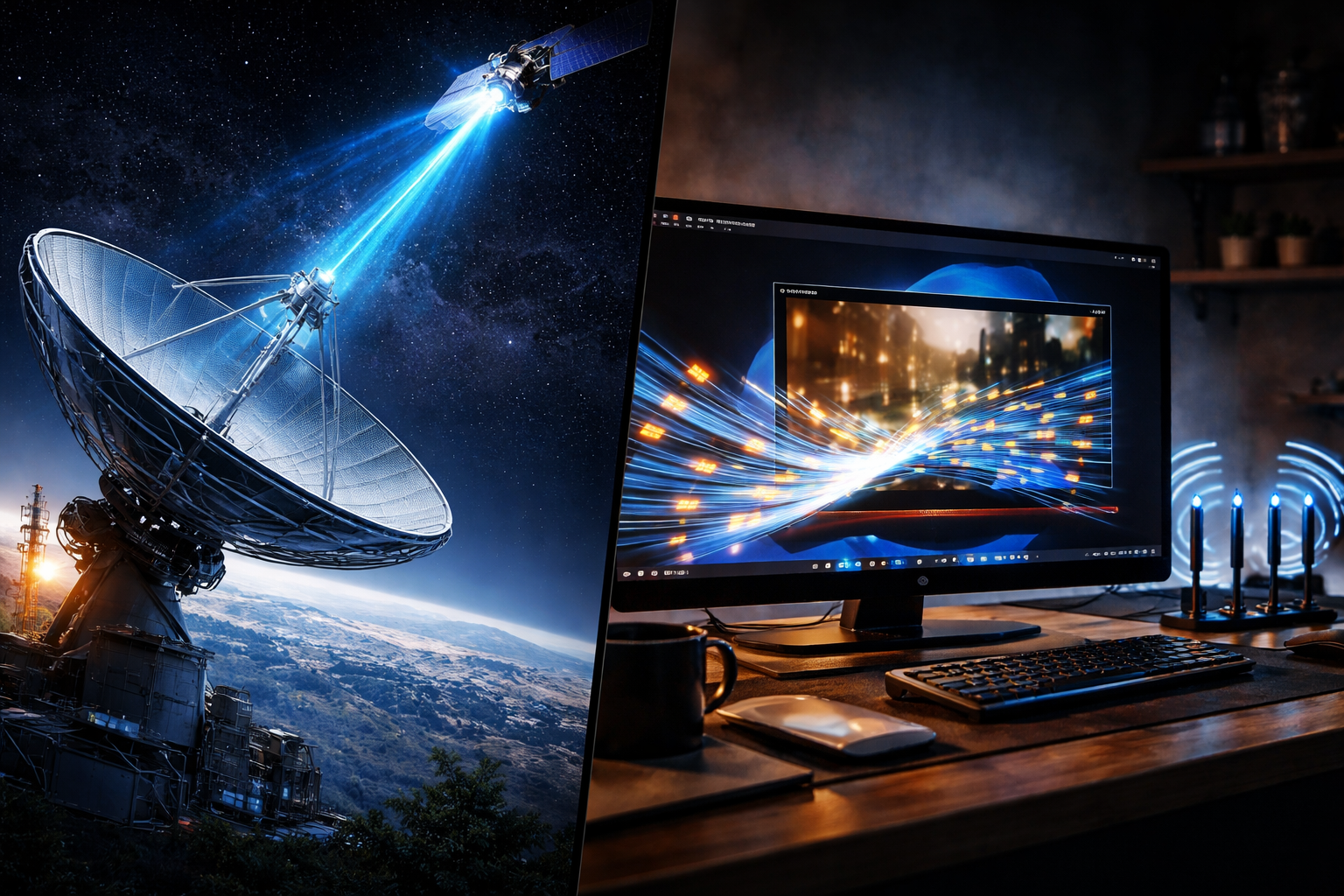
The fundamental difference lies in how data reaches your screen. Satellite TV uses direct broadcast signals transmitted from satellites orbiting the Earth. These signals are received by a dish and decoded by a receiver.
Sky Go streaming, on the other hand, delivers content over the internet. Instead of receiving a continuous broadcast, your device requests and downloads small segments of video data in real time.
This difference changes everything about how the system behaves.
Satellite is a one way broadcast system. Streaming is an interactive two way communication system.
How content is delivered in each system
Satellite TV continuously transmits signals to all viewers at the same time. The signal does not change based on how many people are watching.
Streaming works differently. Each user establishes a connection with the server. The server sends data individually to each device.
This means streaming depends on network conditions and server response, while satellite depends on signal reception.
Delivery method directly affects reliability and performance.
Latency and real time delay comparison
Satellite TV has very low delay relative to live events. The signal travels from the satellite to your dish almost instantly.
Streaming introduces delay because data must be processed, buffered, and synchronized before playback.
This is why live sports on streaming platforms may appear seconds behind satellite broadcasts.
Latency is one of the most noticeable differences between the two systems.
Signal stability and interruption behavior
Satellite signals are generally stable under normal conditions. However, they can be affected by weather such as heavy rain or storms.
Streaming stability depends on internet connection quality. If the network becomes unstable, playback may buffer or stop.
Satellite interruptions are usually external and environmental. Streaming interruptions are often related to network or system conditions.
Each system has its own type of vulnerability.
Environmental impact on both systems
Satellite reception requires a clear line of sight between the dish and the satellite. Physical obstacles or severe weather can block or weaken the signal.
Streaming is not affected by physical obstacles in the same way, but it depends on network infrastructure which can be affected by congestion or outages.
Environmental impact exists in both systems but appears in different forms.
Understanding these differences helps explain performance variations.
Quality consistency and adaptation
Satellite TV delivers a fixed quality signal. If reception is strong, quality remains consistent.
Streaming uses adaptive bitrate technology. This means quality can change depending on network conditions.
Users may notice sudden drops or improvements in quality during streaming.
This adaptability helps maintain playback but reduces consistency.
User control and playback flexibility
Streaming offers greater flexibility. Users can pause, rewind, and watch on demand content easily.
Satellite TV is primarily designed for live viewing. Additional features require recording systems.
This difference reflects how each system is designed.
Streaming prioritizes user control, while satellite prioritizes broadcast efficiency.
Role of Windows 11 in streaming
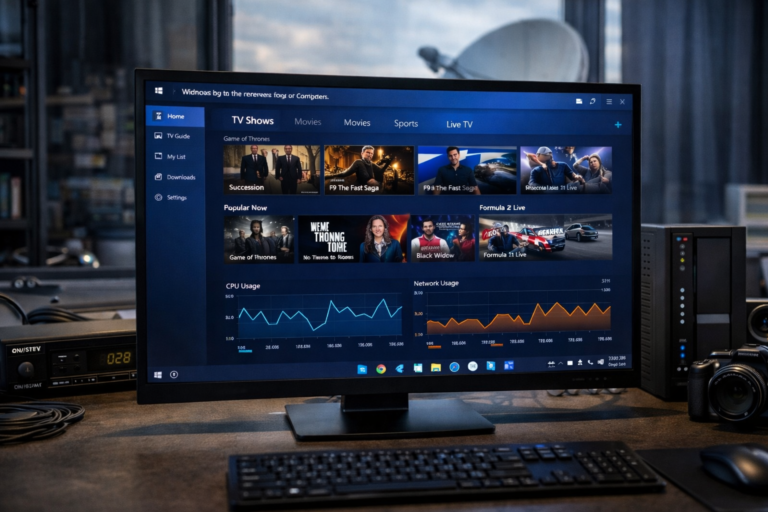
When using Sky Go on Windows 11, the operating system becomes part of the streaming process. It manages network connections, system resources, and video rendering.
Performance depends not only on the internet but also on system efficiency.
Satellite TV does not depend on operating systems in the same way.
This makes streaming more flexible but also more complex.
Network dependency vs direct broadcast
Streaming relies entirely on internet connectivity. If the connection fails, playback stops immediately.
Satellite operates independently of internet infrastructure. As long as the signal is received, playback continues.
This independence gives satellite an advantage in certain scenarios.
However, streaming offers accessibility across multiple devices and locations.
Long term evolution of both technologies
Streaming technology continues to evolve rapidly, improving compression, quality, and efficiency.
Satellite technology remains reliable but is less flexible in adapting to user behavior.
Both systems will likely continue to coexist, each serving different needs.
Understanding their strengths helps users choose the right solution.
How to choose based on real conditions
Choosing between streaming and satellite depends on your environment. If you have a stable internet connection, streaming offers flexibility and convenience.
If your internet is unstable or unavailable, satellite may provide more consistent performance.
In many cases, users benefit from having access to both systems.
The best choice depends on your specific conditions and preferences.
Streaming vs satellite comparison
| Aspect | Sky Go Streaming | Satellite TV |
|---|---|---|
| Delivery method | Internet based data transfer | Direct broadcast signal |
| Latency | Higher delay due to buffering | Near real time |
| Stability | Depends on network quality | Depends on weather conditions |
| Quality behavior | Adaptive and variable | Fixed and consistent |
| Flexibility | High user control | Limited without recording |
Reality Check
Streaming and satellite are fundamentally different technologies. Each performs better under different conditions and neither is universally superior.
Final Verdict
Final Verdict
Sky Go streaming and satellite TV signals represent two distinct approaches to delivering content. Streaming offers flexibility and adaptability but depends on network conditions and system performance. Satellite provides stable real time delivery but lacks the same level of control and accessibility. Understanding these differences allows users to choose the best solution for their environment and viewing habits.
Frequently Asked Questions
| Question | Answer |
|---|---|
| Why is streaming delayed compared to satellite | Streaming requires buffering and processing which introduces delay. |
| Which is more reliable | Satellite is more stable in normal conditions while streaming depends on network quality. |
| Can streaming replace satellite completely | Not entirely. Each system has advantages depending on usage conditions. |
| Why does streaming quality change | Adaptive bitrate adjusts quality based on network conditions. |