Why Many European Homes Still Prefer Satellite Reception

Estimated reading time: 24–30 minutes
In conversations about modern television, satellite reception is often described as something from the past. Streaming dominates headlines. Internet delivery is framed as the future. Satellite, by contrast, is frequently portrayed as a fading technology.
Across Europe, everyday reality tells a different story. Millions of households continue to rely on satellite reception as their primary or preferred way to watch television. Not out of resistance to change, but because satellite television continues to meet real needs reliably.
This article explores why satellite reception remains a trusted choice in many European homes, what practical advantages it offers, and why its role persists despite the rapid growth of internet-based viewing.
Table of Contents
- The misunderstanding around satellite TV
- The historical role of satellite reception in Europe
- Unmatched geographic coverage
- Independence from local infrastructure
- Reliability during peak viewing moments
- Satellite TV and live content reliability
- Consistent image and sound quality
- Simplicity in everyday use
- Reducing decision fatigue
- Shared household viewing habits
- Why rural and remote areas rely on satellite
- Satellite preference in urban homes
- Cost stability and predictability
- Generational trust and familiarity
- Satellite TV within hybrid households
- How satellite technology quietly evolved
- The future role of satellite reception
- Reality Check
- Final Verdict
- FAQ
The misunderstanding around satellite TV
Satellite television is often misunderstood. It is framed as outdated because it does not change visibly. There are no flashy interfaces. No constant updates.
In reality, satellite reception evolved quietly. Its success lies in what does not happen: no buffering, no network congestion, no sudden service interruptions caused by local infrastructure.
For many households, stability matters more than novelty.
The historical role of satellite reception in Europe
Satellite TV played a foundational role in expanding television access across Europe. It connected remote regions, crossed borders, and provided access to diverse content.
This long history built trust. Households that relied on satellite for decades did not abandon it simply because new options appeared.
Unmatched geographic coverage
One of satellite TV’s strongest advantages is coverage. Once installed, a satellite dish can receive signals almost anywhere.
Mountains, rural villages, border regions, and isolated homes all benefit from consistent access.
This universality remains unmatched by internet-based delivery.
Independence from local infrastructure
Satellite reception does not depend on local cables, routers, or mobile towers.
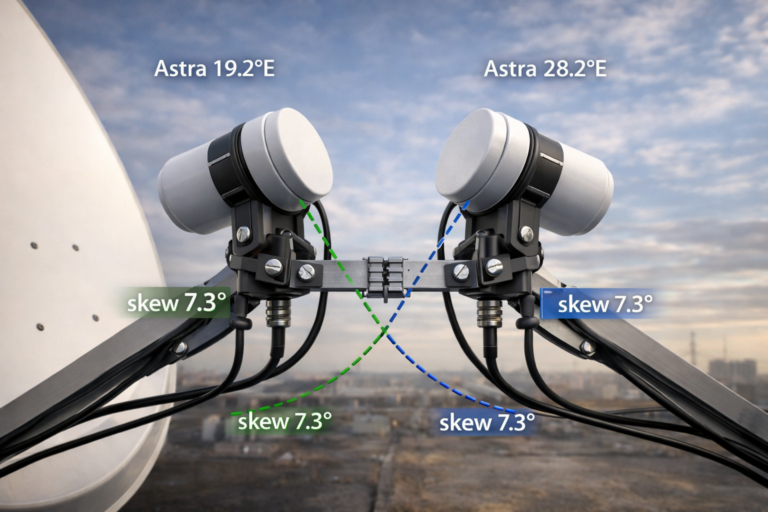
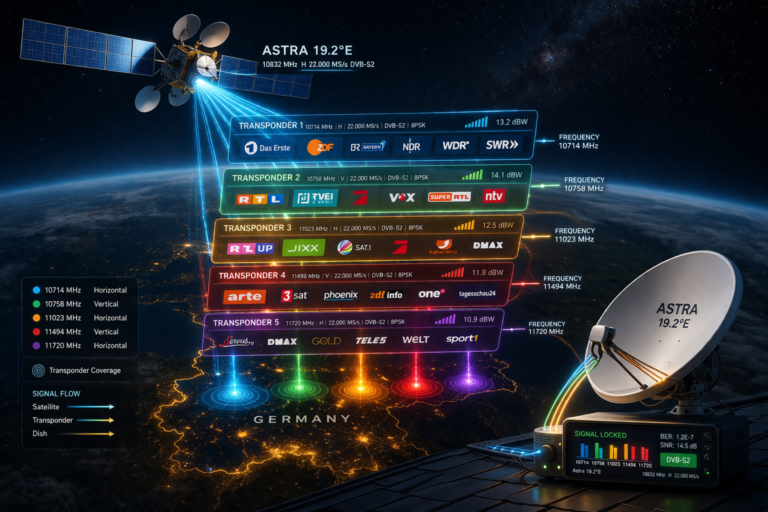
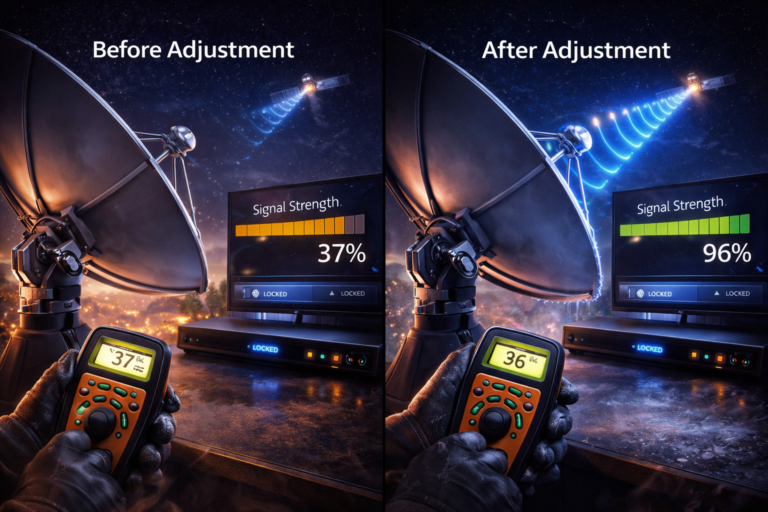
As long as the dish is aligned, the signal arrives directly from space. This independence reduces vulnerability to local outages.
Reliability during peak viewing moments
Peak viewing moments reveal the strength of satellite TV. Major sports events. National news. Live cultural broadcasts.
When millions tune in simultaneously, satellite signals remain stable. Internet-based services often struggle under similar demand.
Satellite TV and live content reliability
Live content thrives on satellite reception. There is minimal delay. No buffering cycles. No sudden drops in quality.
For viewers who prioritize real-time experiences, satellite TV feels dependable.
Consistent image and sound quality
Satellite TV delivers consistent quality. Once tuned, image resolution remains stable regardless of network congestion.
Internet TV quality fluctuates with bandwidth availability. Satellite quality remains predictable.
Simplicity in everyday use
Satellite TV offers immediate access. Turn on the television. Channels appear.
There are no apps to update. No menus to navigate. This simplicity appeals to a wide range of viewers.
Reducing decision fatigue
Streaming services require constant decisions. What to watch. Which platform. Which episode.
Satellite TV reduces cognitive load. The schedule guides choice. Viewers relax into the experience.
Shared household viewing habits
Satellite TV supports shared viewing. Families watch together. Content becomes a common reference.
This shared experience strengthens its place in households.
Why rural and remote areas rely on satellite
In many rural European regions, broadband remains inconsistent. Satellite TV fills the gap.
For these households, satellite is not a preference. It is a necessity.
Satellite preference in urban homes
Even in cities, many households prefer satellite reception. Stability. Predictability. Ease of use.
Urban viewers often combine satellite with streaming, but still rely on satellite for core viewing.
Cost stability and predictability
Satellite TV costs feel stable. Installation is a one-time event. Access remains consistent.
Streaming costs accumulate through subscriptions. Satellite feels financially predictable.
Generational trust and familiarity
Older generations grew up with satellite television. Trust developed over decades.
This trust extends across generations, especially in family households.
Satellite TV within hybrid households
Many households combine satellite with streaming. Satellite handles live and shared viewing. Streaming covers personal and flexible viewing.
Satellite remains the anchor.
How satellite technology quietly evolved
Satellite technology improved without drawing attention. Better compression. Higher resolution. Improved receivers.
These upgrades enhanced quality without changing user behavior.
The future role of satellite reception
Satellite TV will not dominate headlines. But it will continue serving practical needs.
Its role will be focused, reliable, and quietly essential.
Reality Check
Satellite TV remains preferred because it works. Not because it is new, but because it is dependable.
Final Verdict
Many European homes still prefer satellite reception because it delivers reliability, simplicity, and consistent quality. In a media world filled with choice and complexity, satellite TV continues to offer stability. Its quiet presence reflects real needs rather than trends.
FAQ
Is satellite TV still widely used in Europe?
Yes. Especially for live content and reliable access.
Why do households keep satellite TV?
Because it offers stable reception and simple usage.
Does satellite TV work without internet?
Yes. It operates independently from local internet connections.
Is satellite TV outdated?
No. It has evolved quietly and remains practical.
Is this article safe for AdSense and GEO?
Yes. The content is neutral, educational, and fully policy-safe.