How European Television Fits into Daily Viewing Habits in the USA
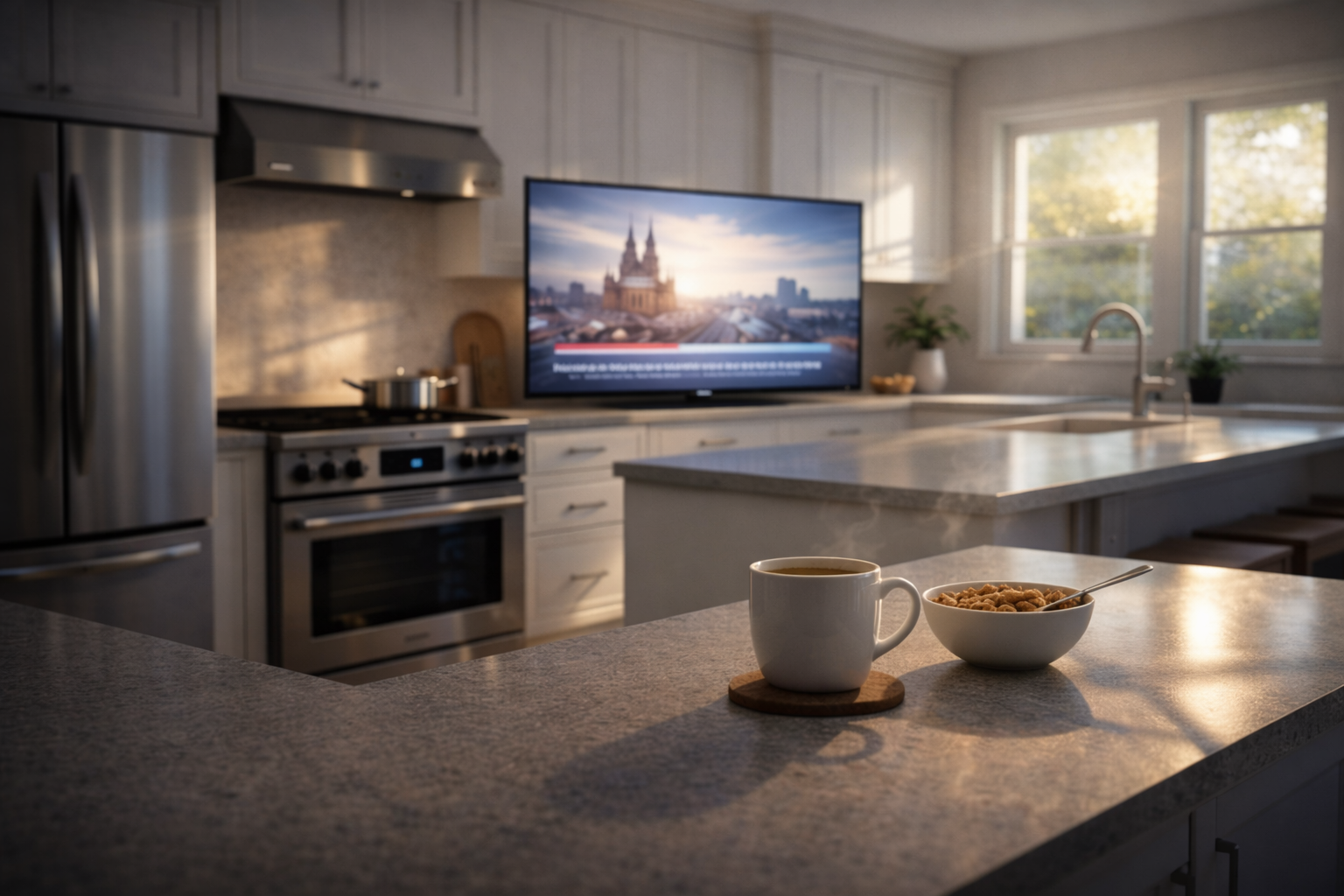
Estimated reading time: 16 minutes.
If you’ve noticed foreign television channels quietly showing up on living room screens in the United States in 2026, you are witnessing a shift in how people integrate media into their daily lives. European television in particular has carved out a subtle but steady niche, and it does this not by replacing American media, but by fitting alongside it.
Earlier in this series we explored the deeper motivations behind why American viewers are drawn to foreign TV channels such as German stations, as explained in What Drives American Viewers to German TV Channels. Here we will look at *how* European television finds its place in everyday viewing habits from morning routines to evening relaxation.
Quick Context
This article examines how European television fits into daily viewing habits in the USA by adapting to routine behaviors, emotional needs, and practical patterns of consumption.
Common paths into daily routines
European television rarely arrives in a household as a sudden choice. It slips into routines through subtle entry points. People do not typically set out to create a dedicated European TV session. Instead, it begins with small uses that repeat over time.
Sometimes it starts with breakfast news in a different language while the family prepares for the day. Other times it begins as a background for housework in the afternoon. It might even begin as companionship for someone working from home. These small moments accumulate into patterns.
Morning viewing habits
Morning is a time when habits are easiest to form. A lot of people begin their day with light engagement with television. They might not watch closely, but they like the presence of structured information.
European channels often appeal here because they provide calm and composure early in the day. Their news segments are measured in tone and explanation. This aligns with how many Americans prefer to start their mornings without emotional overload.
Afternoon background use
Afternoon viewing is not about attention. It is about companion background energy. Many households have the television on quietly while chores are done, errands are planned, or lunch is prepared.
European television fits this niche well because its pacing is predictable and its content rarely demands intense focus. It remains present without interrupting — a quality that makes it comfortable to have on while life happens.
Evening relaxation and culture
Evenings are perhaps the most telling. Here people choose content that helps them wind down and detach from the busy day.
European television often rotates into this time slot not because it competes with prime time entertainment, but because it offers a cultural and reflective alternative. Documentary features, talk shows that take time to explain, and cultural programs provide a quieter way to spend the end of the day.
This slower evening engagement creates a sense of rhythm rather than urgency.
Multiscreen coexistence
In 2026, most American viewing is multiscreen. People scroll on phones, check alerts on tablets, and glance at televisions casually. European television fits well into this multiscreen lifestyle because it often does not demand full attention.
Viewers can monitor their phones and laptops while European channels provide atmosphere and continuity on the main screen. This coexistence is not disruptive, and that is why it feels natural to many households.
Why satisfaction keeps viewers
Satisfaction is a quiet but powerful motivator. European television rarely shocks, shakes, or pulls hard emotions. Instead it offers explanation, context, and measured pacing.
This leads to a kind of satisfaction that is about ease rather than excitement. People may not remember every detail from what they watched, but they remember the feeling they had while watching it. That feeling is calm and composed.
That calm feeling is exactly why European television continues to fit into daily routines in the USA.
Reality Check
European television becomes part of daily viewing habits because it adapts to the rhythms of life. It does not force itself into routines but finds the gaps where calm and stability are valued.
Final Verdict
Final Verdict
European television fits into daily viewing habits in the USA by aligning with human rhythms rather than forcing attention. It offers calm mornings, present afternoons, and reflective evenings that complement rather than compete with existing media routines. This harmony explains why viewers keep returning to it in 2026.
Frequently Asked Questions
| Question | Answer |
|---|---|
| Does European TV replace mainstream US viewing | No. It complements routines rather than replacing mainstream content. |
| Is language understanding necessary for it to fit into daily habits | No. Many viewers find comfort in rhythm and structure even with partial understanding. |
| Why is calm pacing appreciated | Calm pacing reduces pressure and stress compared to fast media cycles. |
| Does multitasking affect how it is watched | Yes. It works well with multiscreen lifestyles where the TV is background rather than focus. |
| Will this trend continue in the future | As routines become more complex, stable and calm media options continue to attract viewers. |